

How Can You Tell the Difference Between Normal Fatigue and Burnout?
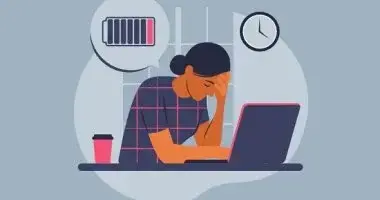
How Can You Tell the Difference Between Normal Fatigue and Burnout?
After returning to work or study, many people experience exhaustion as they resume their daily responsibilities. In most cases, this fatigue is normal and improves with adequate rest and better time management.
However, sometimes exhaustion persists for a longer period and begins to affect concentration, motivation, relationships, and overall quality of life. At that point, it may be more than temporary fatigue, and there may be signs worth paying attention to.
In this article, we explore the difference between normal fatigue and burnout, the signs to look out for, and when it may be appropriate to seek professional support.
What Is Burnout?
Burnout is a state of physical, emotional, and mental exhaustion that may develop after prolonged exposure to ongoing stress, particularly when a person feels that the demands of work or daily life have become greater than their ability to cope.
Feeling tired for a day or two does not necessarily mean that someone is experiencing burnout. Assessment depends on how long the symptoms persist and how significantly they affect daily life.
When Is Fatigue Normal?
It is normal to feel exhausted after:
Returning to work or study.
A particularly busy week.
A temporary period of insufficient sleep.
Significant mental or physical effort.
This type of fatigue often improves with:
Getting enough sleep.
Taking regular breaks.
Temporarily reducing unnecessary pressure.
Returning to a more balanced routine.
When Might It Be More Than Just Fatigue?
It may be worth paying closer attention if your exhaustion:
Persists for a long period without improvement.
Affects your concentration and productivity.
Makes you less motivated or interested in activities you previously enjoyed.
Increases irritability or feelings of frustration.
Begins to affect your relationships or daily life.
These signs do not necessarily mean that you are experiencing burnout, but they may warrant further assessment if they persist or become more severe.
Signs That May Indicate Burnout
Burnout may present differently from one person to another. Some signs that may appear include:
Feeling exhausted most of the time.
Difficulty concentrating or completing tasks.
Reduced motivation.
Feeling as though the pressure never ends.
Increased irritability or frustration.
Sleep disturbances.
Feeling that rest no longer restores your energy as it once did.
How Can You Reduce the Impact of Daily Stress?
Some practical steps may help restore a greater sense of balance, including:
Prioritizing tasks rather than trying to accomplish everything at once.
Getting adequate sleep.
Making time for rest and physical activity.
Reducing unnecessary pressure and setting realistic expectations.
Talking about how you feel with someone you trust.
When Is It Appropriate to Seek Help?
If stress or exhaustion continues for a prolonged period, or begins to affect your work, studies, relationships, or overall quality of life, it may be appropriate to speak with a mental health professional.
A professional can help assess your situation, understand the factors contributing to your difficulties, and develop a support plan suited to your individual needs.
Seeking support at the right time may help you manage stress before its impact on your daily life becomes more significant.
How Can Huduoa Medical Center Help?
Huduoa Medical Center provides mental health support services for adults to help individuals manage daily stress, understand factors associated with persistent exhaustion, and develop an appropriate plan to improve their quality of life based on their individual needs and professional assessment.
Conclusion
Feeling tired during certain periods of life is normal. However, when exhaustion becomes persistent and begins to affect daily life, it is important not to ignore it.
Taking care of your mental health begins with recognizing changes early, taking practical steps to maintain psychological well-being, and seeking professional support when needed.
Related Articles

The Silent Monster of Anxiety: When is Stress Normal and When Does it Need Professional Help?
Anxiety is not just a fleeting feeling; it can become an obstacle that consumes your daily energy. Discover the difference between motivating stress and clinical anxiety, and learn about treatment and empowerment at Hudu Center.

How to Help Your Child Cope with Academic Stress and Test Anxiety
Learn how to recognize academic stress and test anxiety in children and teenagers, how parents can provide effective support, and when professional help may be needed.

How Can You Tell If Your Child Has a Learning Difficulty or Just a Temporary Academic Setback?
Learn the signs of learning difficulties in children, how they differ from temporary academic struggles, and when persistent difficulties in reading, writing, or mathematics may require professional assessment.
